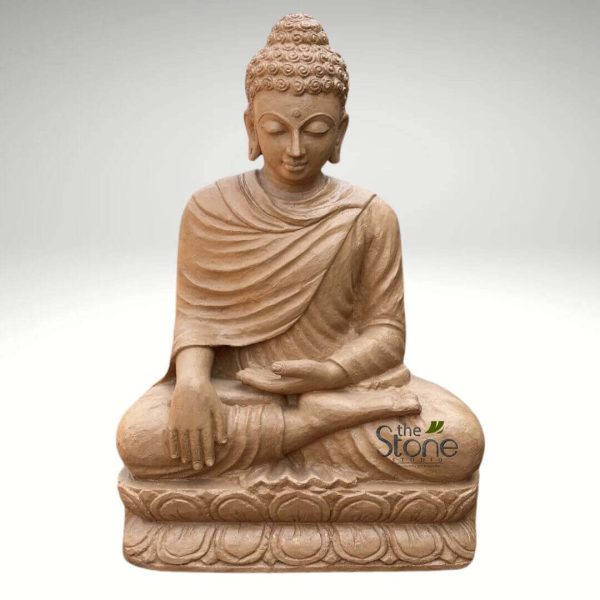
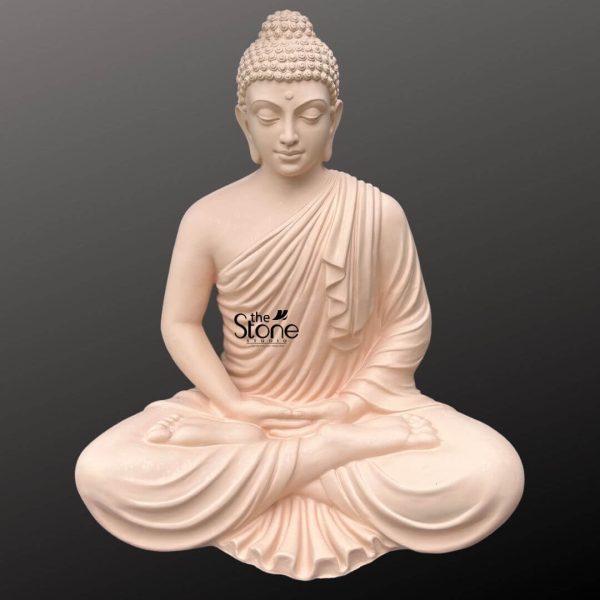
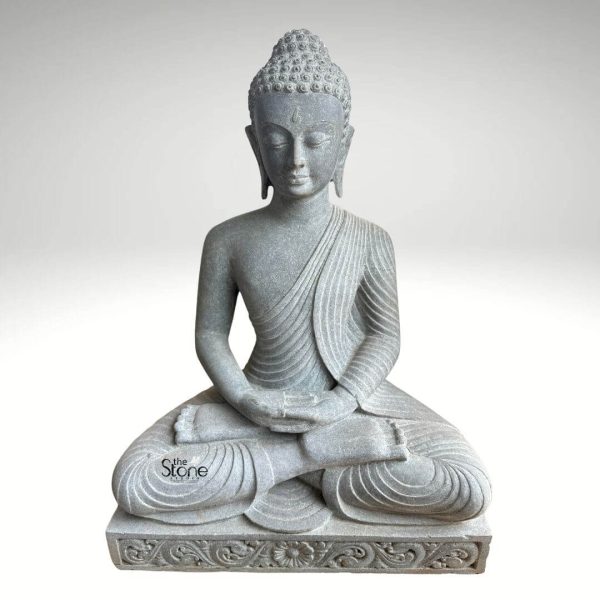
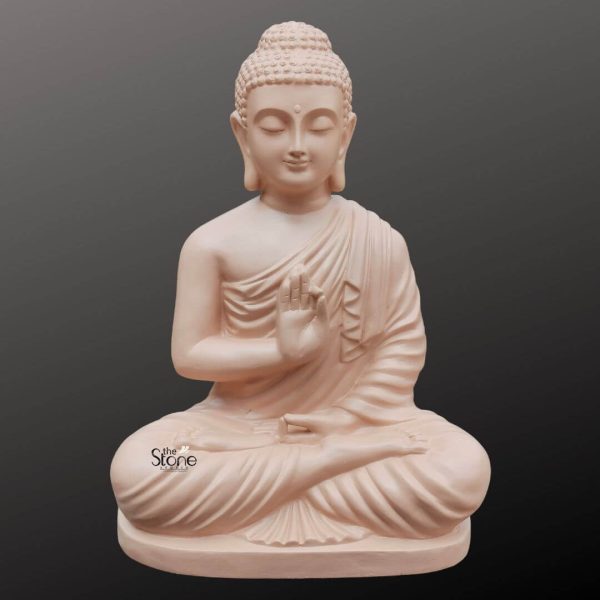
The tradition of creating Buddha statues dates back over two millennia. Interestingly, for the first 500 years after Buddha’s passing, his followers avoided creating physical representations, instead using symbols like the Bodhi tree, footprints, or the Dharma wheel. It wasn’t until the Gandhara and Mathura schools of art emerged in the 1st century CE that sculptors began crafting the human form of Buddha we recognize today.
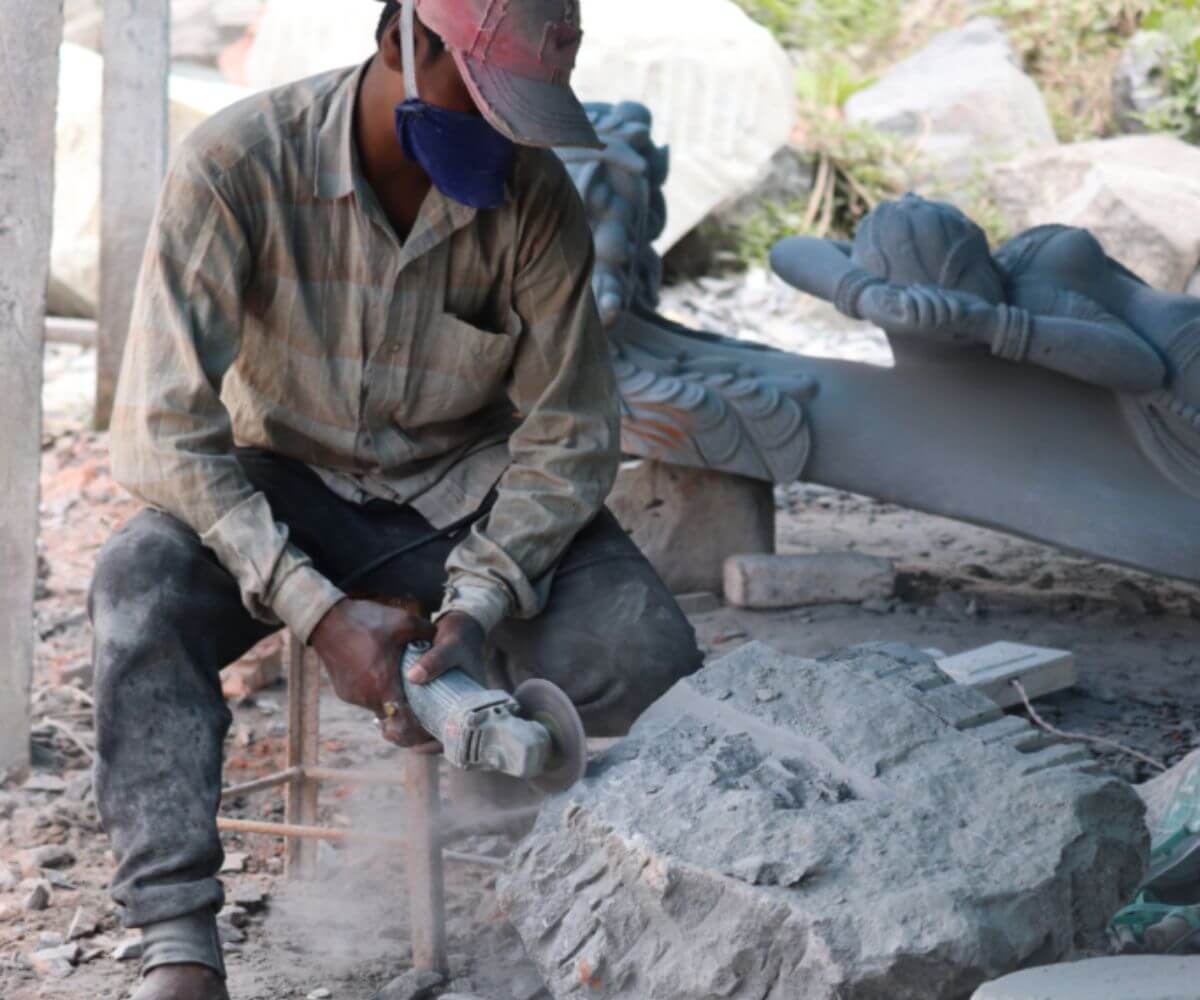
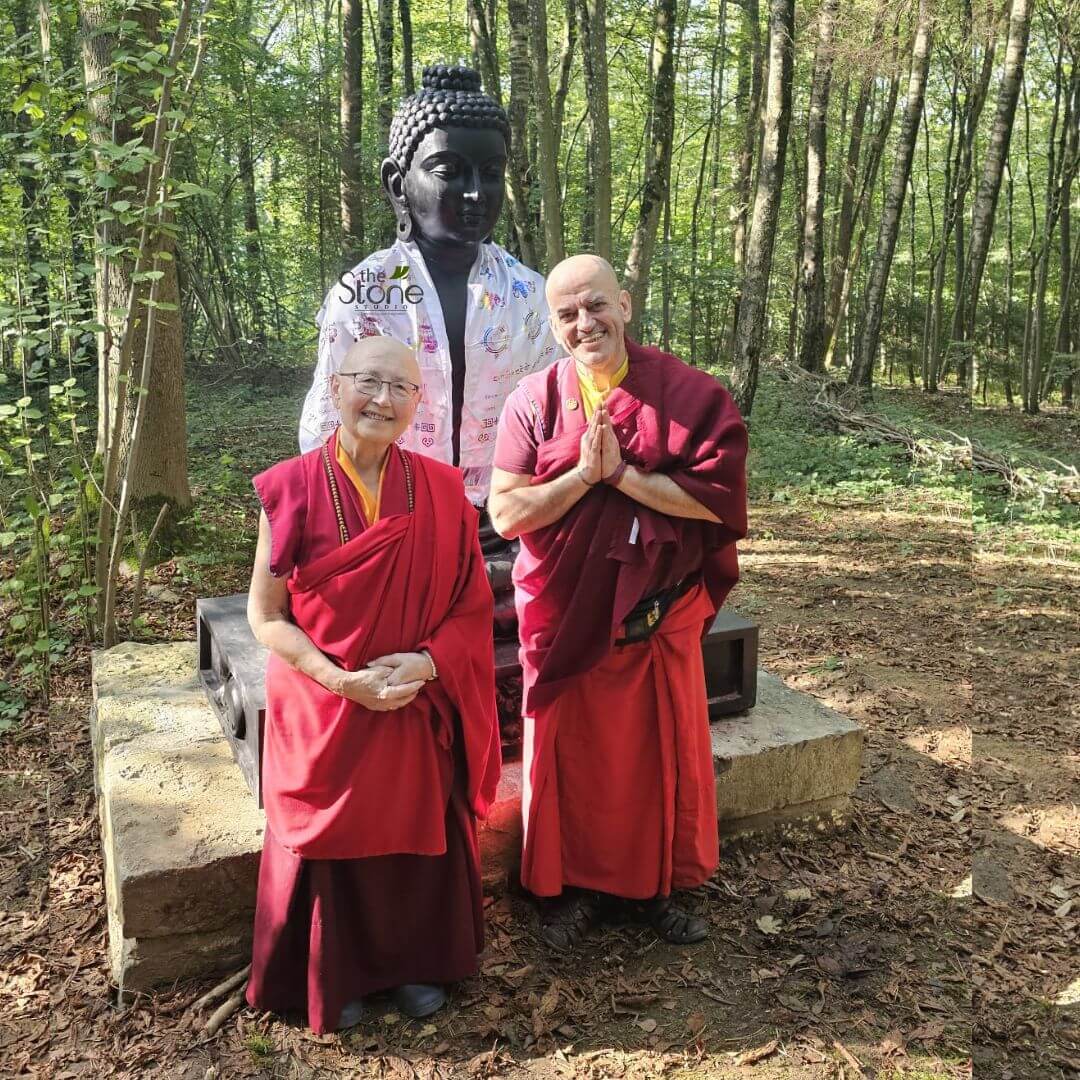
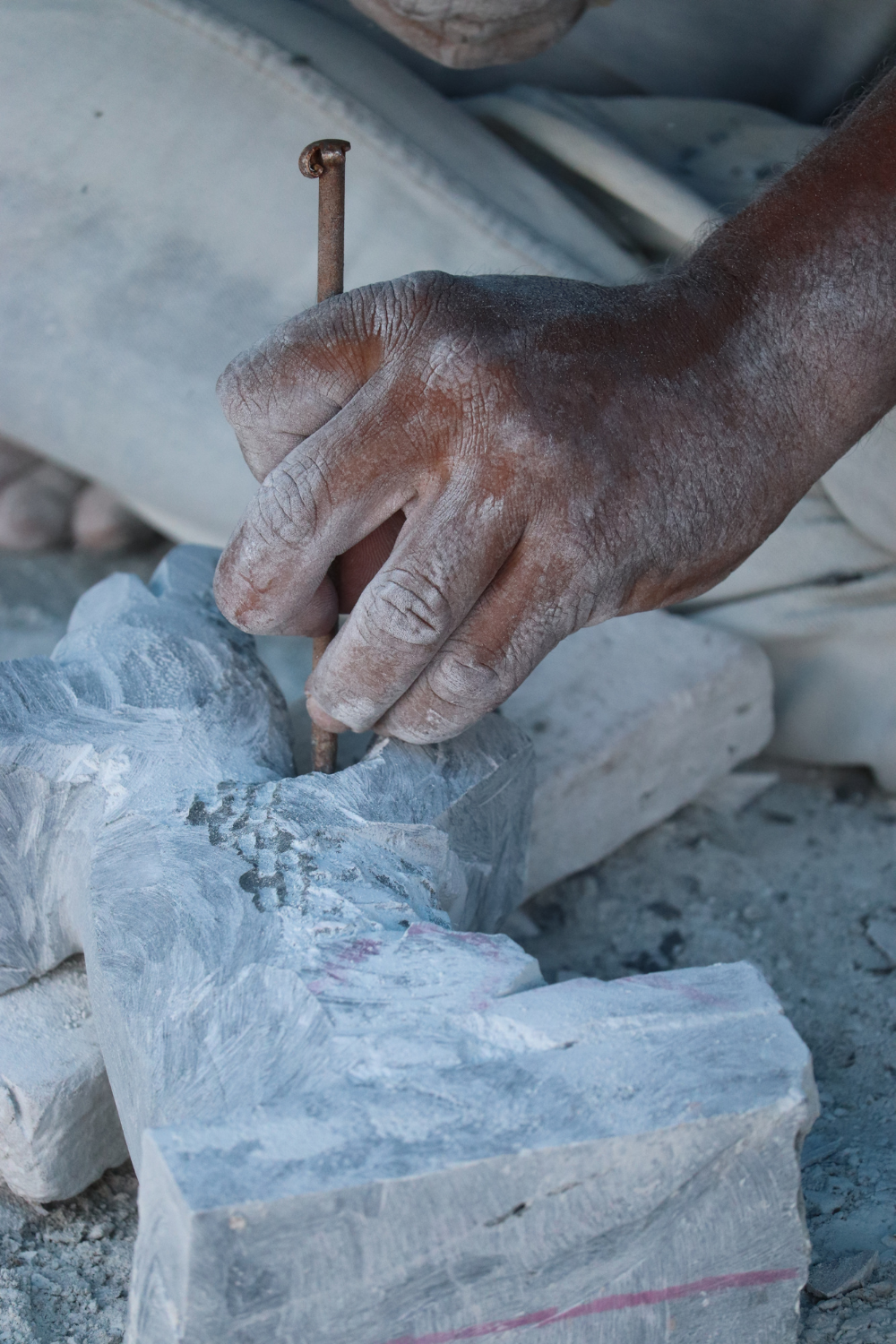
India, particularly regions like Odisha, Bihar, and Uttar Pradesh, became renowned centers for Buddhist sculpture. The artisans of Bhubaneswar, where The Stone Studio is rooted, have carried forward this ancient tradition for generations, blending classical techniques with contemporary sensibilities.
💡Did You Know?
The earliest Buddha statues were influenced by Greek artistic traditions brought to India by Alexander the Great’s campaigns, which is why early Gandharan Buddhas often have distinctly Hellenistic features.
Types of Buddha Statues and Their Meanings
Understanding the different poses (asanas) and hand gestures (mudras) of the Buddha is essential before making a purchase, because each pose carries a distinct spiritual meaning and is suited to a particular space or intention. You can explore a detailed breakdown on our Buddha Mudras and Meanings page. Below is an overview of the key Buddha forms available at The Stone Studio.
Meditating Buddha (Dhyana Mudra)
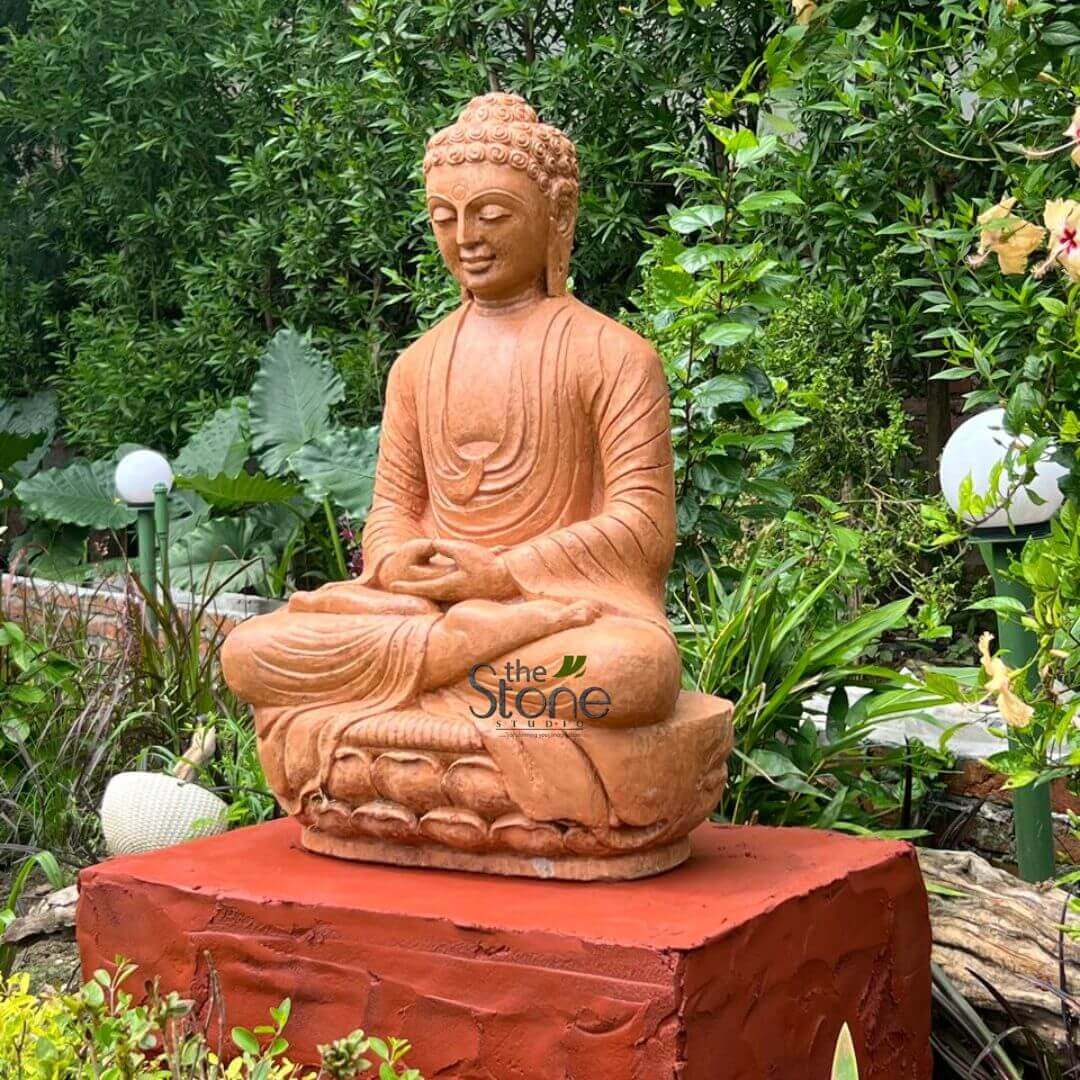
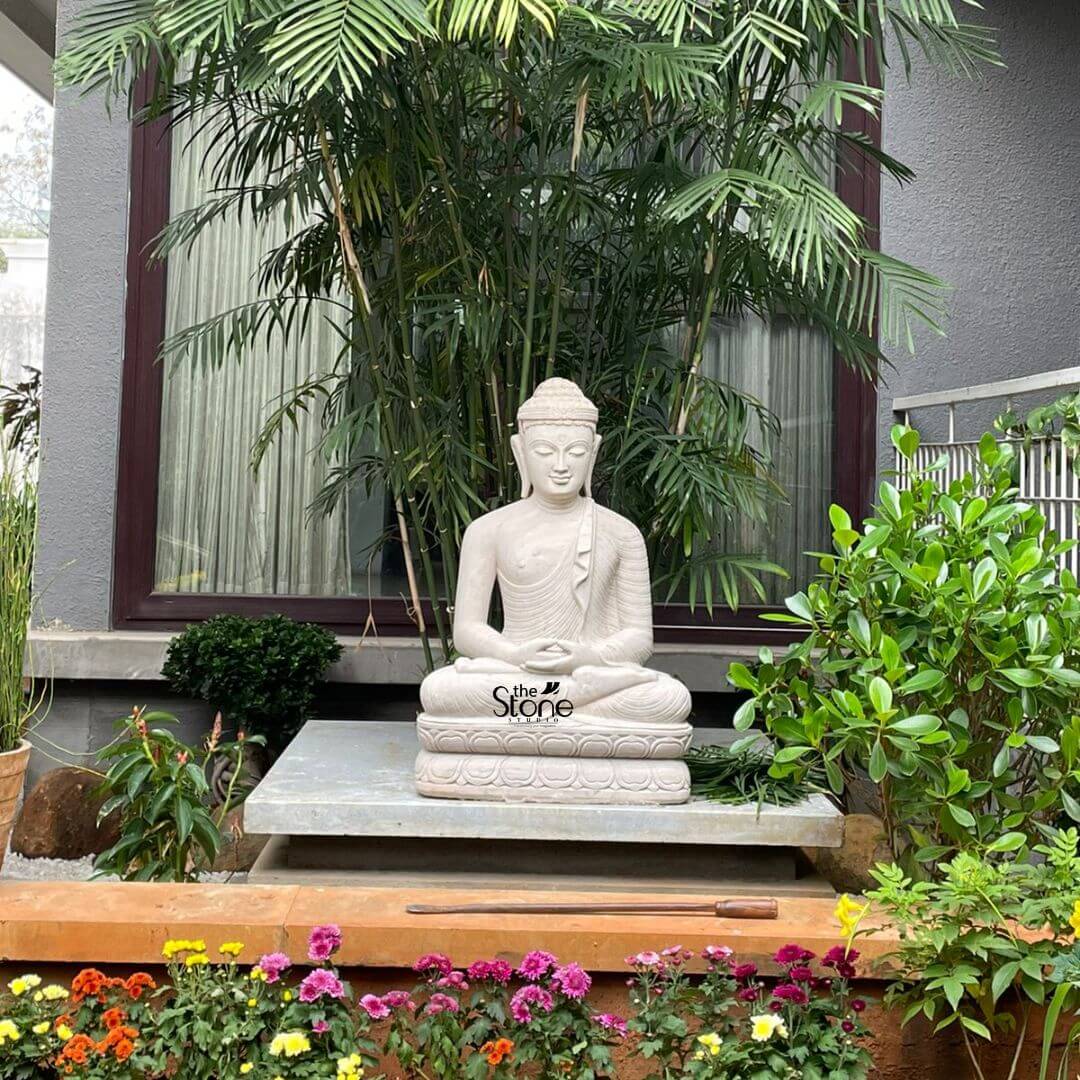
The Meditating Buddha sits in the lotus position with both hands resting in the lap, palms facing upward, forming a triangle that represents the Three Jewels of Buddhism — the Buddha, the Dharma, and the Sangha. This mudra symbolises deep concentration, inner peace, and the ultimate goal of spiritual awakening. Our Dhyana Mudra Buddha Statue is one of the most sought-after pieces for this purpose.
Perfect for: A pooja room, meditation corner, or study where focus and tranquility are paramount.
Earth-Touching Buddha (Bhumisparsha Mudra)
This is arguably the most iconic Buddha pose, depicting the moment Siddhartha Gautama called upon the Earth to witness his enlightenment by touching the ground with his right hand while the left rests in his lap. The Bhumisparsha mudra represents truth, steadfastness, and the triumph over inner obstacles. See our handcrafted Bhumisparsha Mudra Buddha for a timeless expression of this profound moment.
Perfect for: A meditation room or home temple where you seek grounding energy and a reminder of spiritual perseverance.
Protection Buddha (Abhaya Mudra)
The Abhaya Buddha stands or sits with the right hand raised at shoulder height, palm facing outward, in a gesture that conveys fearlessness and divine protection. This posture symbolises safety, reassurance, and the dispelling of fear, making it ideal for spaces where you greet guests or transition between environments. The Stone Studio’s Abhaya Mudra Buddha Statue is beautifully detailed for exactly this purpose.
Perfect for: The main entrance, foyer, or living room where a sense of welcome and protection sets the tone for your home.
Reclining / Sleeping Buddha
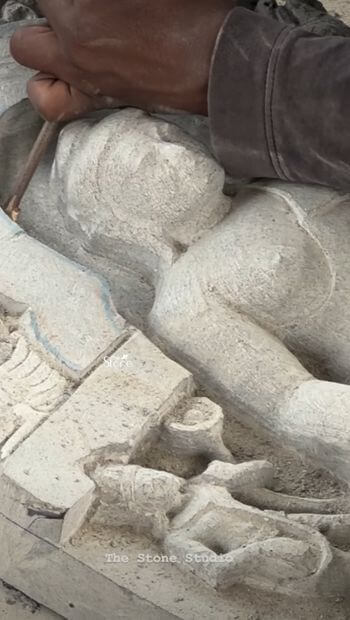
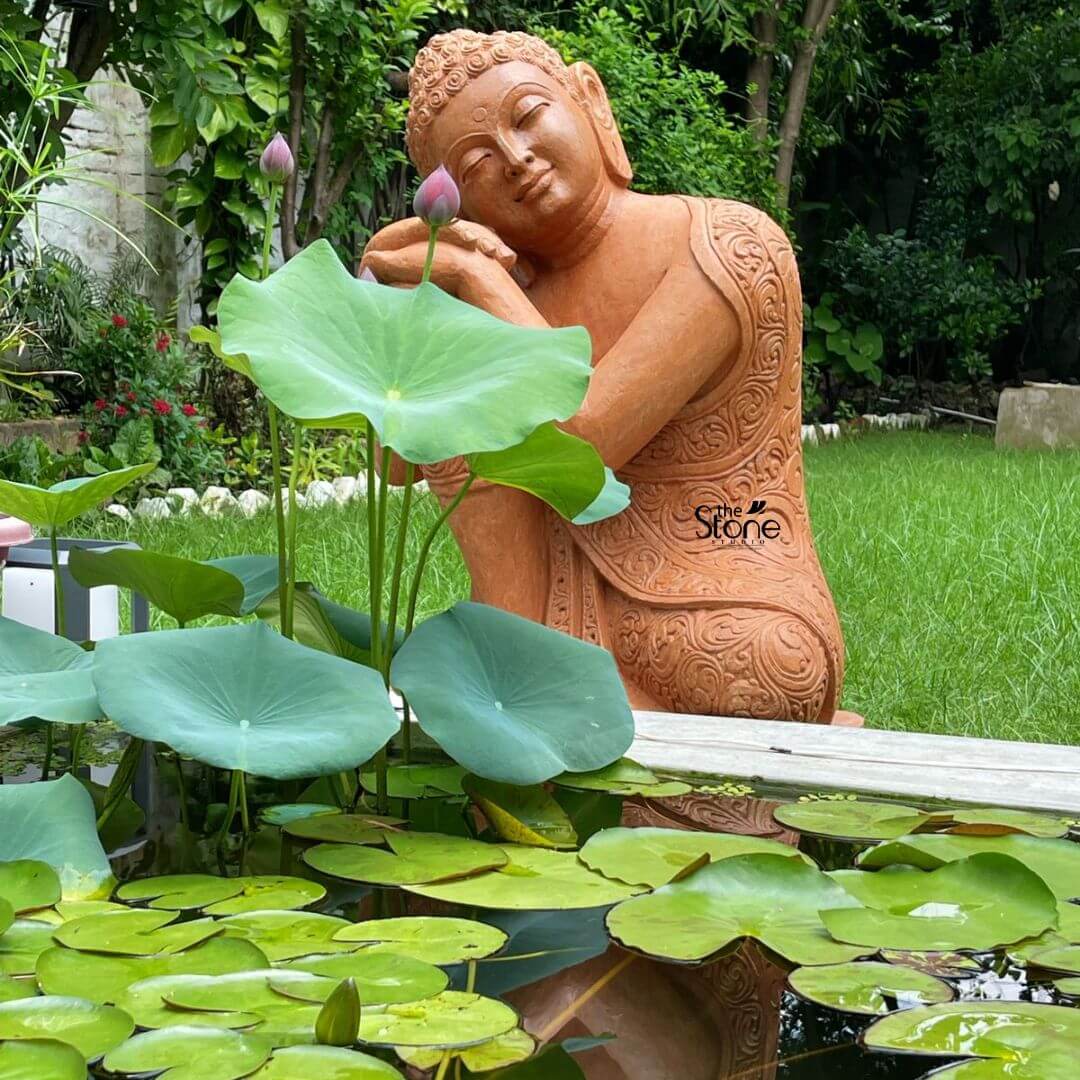
The Reclining Buddha, also known as the Parinirvana pose, depicts the Buddha lying on his right side, head resting on a pillow or his hand, representing the moment just before or during his passage into Nirvana. It conveys the idea of complete peace, surrender, and the release from the cycle of suffering. Our Relaxing Buddha Statue captures this gentle energy beautifully.
Perfect for: A bedroom, restful reading corner, or any calming space dedicated to relaxation and gentle wind-down.
Laughing Buddha (Budai)
The Laughing Buddha — technically Budai, a Chinese folk figure often associated with Maitreya — is instantly recognisable by his rotund belly and joyful expression. He symbolises abundance, happiness, and contentment, and is a favourite in Feng Shui for attracting good fortune and positive energy. Our Laughing Buddha Baby Monk Statue is a delightful addition to any social or family space.
Perfect for: A living room, shop entrance, or any social space where laughter and prosperity are welcomed.
Buddha Head
A standalone Buddha head sculpture focuses attention on the serene facial expression — the half-closed eyes in meditation, the gentle smile, and the ushnisha (top-knot) symbolising supreme wisdom. Buddha heads work beautifully as minimalist, modern home decor statements and as focal points for mindful contemplation.
Perfect for: Console tables, bookshelves, study desks, or gallery walls where space is limited but impact is desired.
Teaching Buddha (Dharmachakra Mudra)
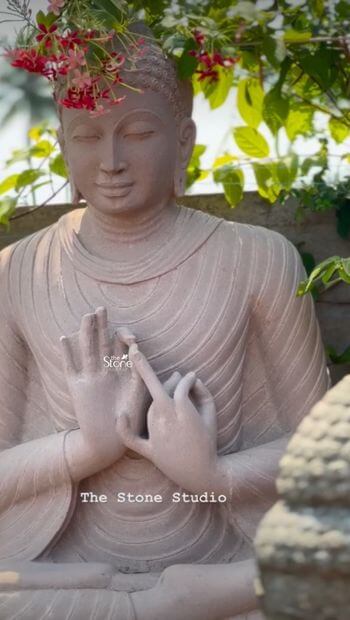
In this pose, both hands are raised in front of the chest with thumbs and index fingers touching, forming circles that represent the Wheel of Dharma. This gesture recalls the Buddha’s first sermon after enlightenment and symbolises the transmission of knowledge and continuous learning. Explore our Dharmachakra Mudra Buddha Statue — available in a striking 5ft size.
Perfect for: A library, study, or creative workspace where wisdom and intellectual clarity are valued.
How to Choose the Right Buddha Statue
Choosing the right Buddha statue involves a considered sequence of decisions that ensures the piece resonates with both your space and your intention.
Step-by-Step Framework
- Clarify your intention — Are you seeking a piece primarily for spiritual practice (meditation, daily prayer), for aesthetic decor, or a combination of both? Your intention guides every subsequent choice.
- Select the pose/mudra — Match the meaning to your purpose: Dhyana for meditation, Abhaya for protection at the entrance, Bhumisparsha for grounding in a temple space, Reclining for a bedroom, or Laughing Buddha for joyful social areas. Our Buddha Mudras and Meanings page explains each gesture in full.
- Choose the material — Consider whether the statue will live indoors or outdoors. Stone and fibre excel outdoors; wood and finely finished stone are ideal indoors.
- Determine the right size — Measure your space carefully. A tabletop piece (6–12 inches) suits shelves and desks; a medium piece (1–2 feet) works on console tables and altars; floor-standing sculptures (2–4 feet) make powerful room statements; and garden centrepieces (4–6+ feet) become landscape anchors.
- Assess quality indicators — Look for a serene, symmetrical facial expression, smooth and balanced proportions, clean detailing in the hands and robes, and a solid feel to the material. Handcrafted pieces feel more alive and carry subtle imperfections that machine-made replicas lack — this is precisely what gives them soul.
Materials and Styles at The Stone Studio
The material of a Buddha statue profoundly affects its visual impact, longevity, and suitability for different settings. At The Stone Studio, the primary materials are selected to offer the widest range of options for both indoor sanctuaries and outdoor installations. To understand how materials compare in detail, read our guide on materials commonly used in sculptures.
Stone Buddha Statues
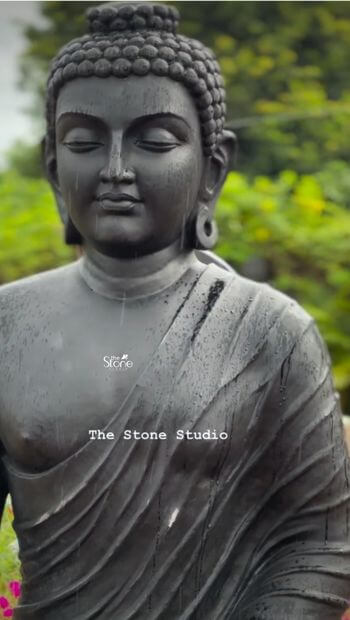
Natural stone — including sandstone, granite, and marble — is the most traditional and revered material for Buddha sculptures. Stone offers exceptional durability, a weighty presence that conveys permanence, and a natural texture that ages gracefully with a beautiful patina over time. Browse our full collection of stone Buddha statues, all hand-carved by skilled artisans and suitable for both indoor and outdoor placement, including gardens, courtyards, and resort landscapes. Standout pieces include the 5 Feet Granite Buddha Statue and the Stone Medicine Buddha with Alms Bowl.
Fibre Buddha Statues
Fibre (fiberglass composite) statues are lightweight, weather-resistant, and highly detailed, making them an excellent choice for larger installations where the weight of natural stone is impractical. Fibre statues can be finished to closely resemble stone, wood, or bronze, offering versatility in both appearance and placement. Explore our fibre Buddha statues collection — popular choices include the Fibre Buddha Statue 4ft and the Fibre Black Buddha Statue 5ft. To compare stone and fibre in depth, see our Stone vs Fibre Statues guide.
Wood Buddha Statues
Wooden Buddha statues carry a warm, organic quality and are prized for their intricate hand-carved detailing. Wood is best suited for indoor environments where it is protected from rain and extreme humidity, and it blends beautifully with traditional Indian, Balinese, or Japanese-inspired interiors. Visit our wood Buddha statues collection to find pieces like the finely crafted Wood Buddha 18″.
Style Range
The Stone Studio offers a diverse array of aesthetic traditions: Thai-style elongated Buddhas, classic Indian Gandhara-tradition pieces, modern minimalist Buddha heads, large garden centrepiece sculptures, and Buddha fountain installations. Sizes range from compact 1-foot tabletop pieces to monumental 5-foot-plus garden sculptures, ensuring a fit for every scale of space.
Care and Maintenance Of Buddha Statues
Indoor Buddha Statues
For indoor pieces, regular dusting with a soft, dry cloth is sufficient for routine maintenance. For deeper cleaning, use a slightly damp cloth — never harsh chemicals, abrasive cleaners, or excessive water, as these can damage the finish, especially on wooden or intricately painted statues. Place indoor statues away from direct prolonged sunlight to prevent colour fading over time.
Outdoor / Garden Buddha Statues
Stone and fibre Buddha statues are inherently weather-resistant, but they do develop a natural patina over months of outdoor exposure — many owners actually prefer this aged, organic look. If you prefer to maintain the original finish, occasional cleaning with mild soapy water and a soft brush will remove dirt, moss, or algae. For fibre statues, a UV-resistant sealant can be applied every couple of years to extend the finish life. Avoid placing statues in areas prone to standing water or heavy impact. For more on how materials compare outdoors, revisit our Stone vs Fibre Statues comparison.
Ready to Find Your Perfect Buddha Statue?
Browse our collection of handcrafted Buddha statues, or contact us for a custom creation tailored to your exact specifications.