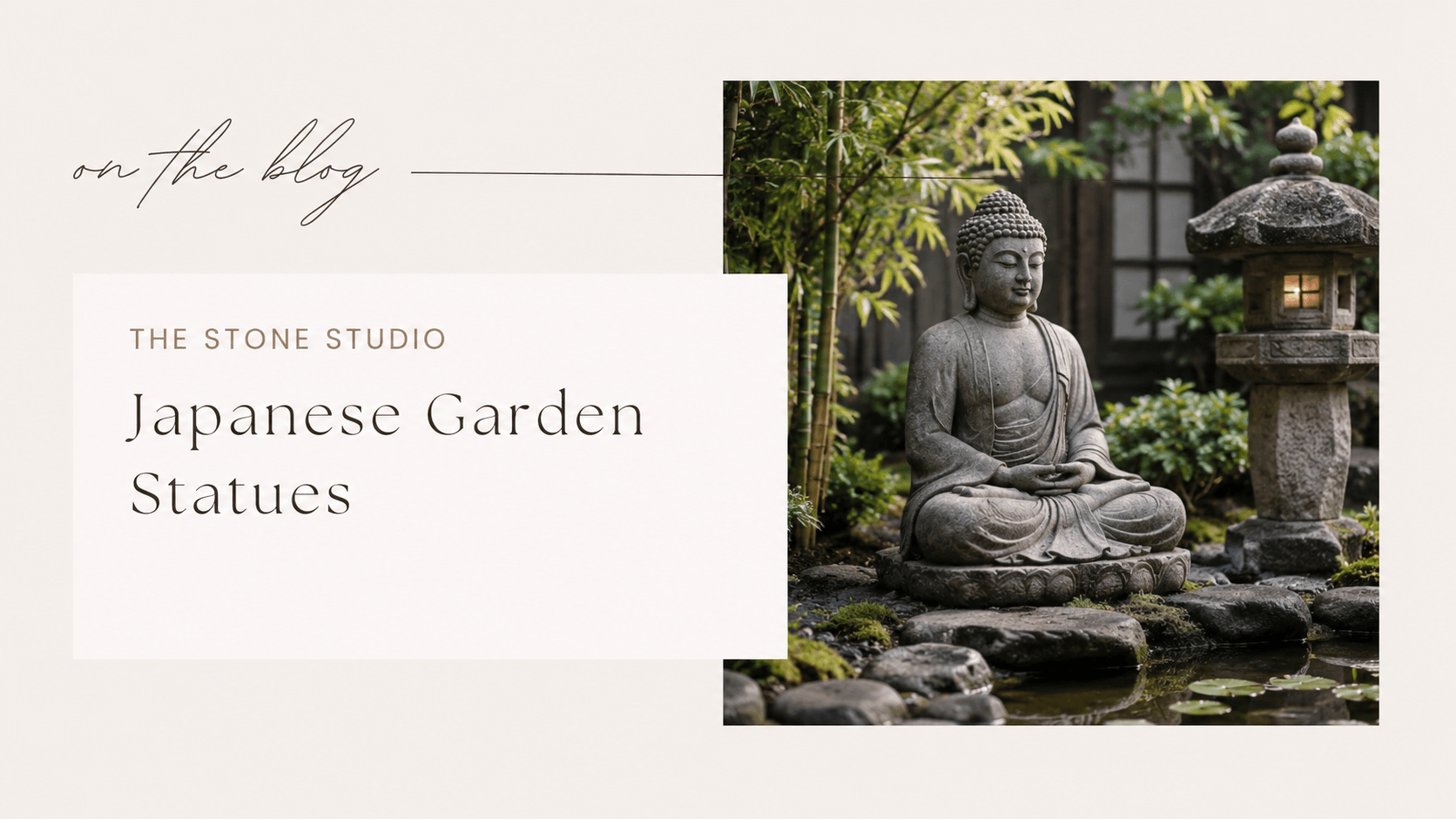
Japanese Garden Statues
Table of Contents
Meanings, Placement & Ideas to Create a Zen-Inspired Space
Japanese gardens are not just about plants and pathways—they are about emotion, balance, and spiritual storytelling. Every component placed in a Japanese garden carries meaning, and statues play a central role in creating that quiet, meditative atmosphere.
From traditional stone lanterns and intricate Jizo statues to serene Buddhas, guardian Fu Dogs, playful rabbits, and wise monk figures, each sculpture is imbued with rich symbolism and contributes to an overarching sense of tranquility. When these statues are thoughtfully placed within your outdoor space, they have the power to transform any garden, terrace, or courtyard into a serene, Zen-inspired sanctuary that invites contemplation and reflection.

In this blog, we will delve into the most popular Japanese garden statues, exploring their historical significance, spiritual meanings, and ideal placements within your landscape. We’ll provide detailed tips on how to care for these sculptures to ensure they maintain their beauty over time. Furthermore, we’ll offer practical advice on how to seamlessly integrate these magnificent pieces into your space, enhancing the overall aesthetic and atmosphere of your garden while creating a harmonious environment that reflects the principles of Zen philosophy.
1. Stone Lanterns (Tōrō): The Light of Guidance
Stone lanterns, known as “tōrō” in Japanese, are among the most iconic features found in traditional Japanese gardens. These elegantly crafted structures were originally designed to illuminate the pathways of temples, serving both a practical purpose and enhancing the overall spiritual atmosphere. Today, they are cherished not only for their aesthetic beauty but also for their profound symbolism, which encompasses guidance, clarity, and spiritual illumination.
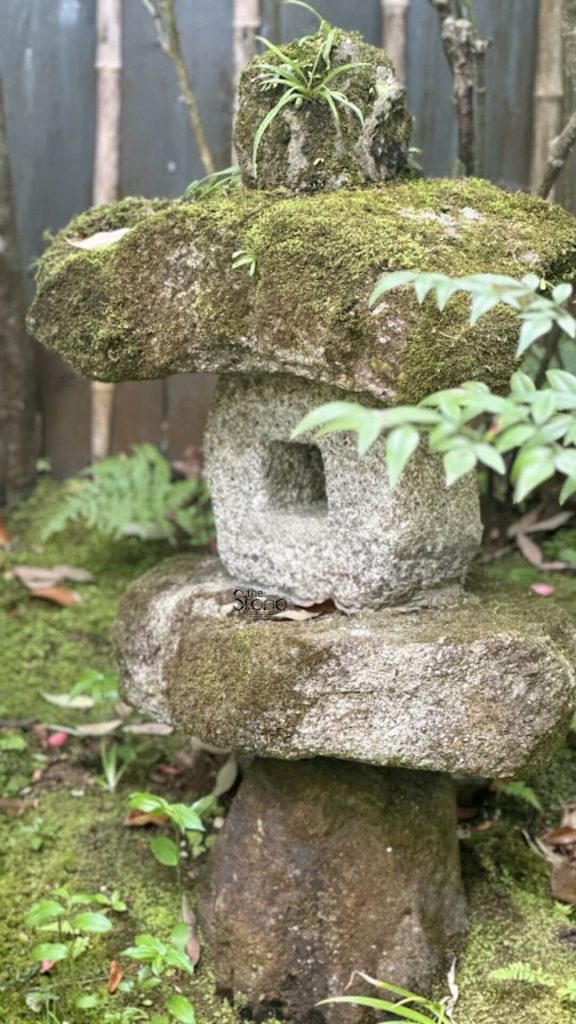
The significance of stone lanterns extends far beyond their role as mere light sources. They embody the concept of light in darkness, representing a duality that resonates both physically and spiritually. In the physical realm, these lanterns provide illumination that helps navigate the often winding paths of a garden, ensuring safety and comfort for those who walk among the flowers and trees.
Spiritually, they serve as metaphors for enlightenment and awareness, guiding one’s mind towards a state of calmness and introspection. In a garden setting, the placement of a stone lantern is often intentional, as it draws the viewer’s eye and invites contemplation. Whether lit during the evening or standing sentinel by day, these lanterns foster a peaceful ambiance, encouraging reflection and a deeper connection to nature. Their enduring presence in Japanese gardens underscores their role as timeless symbols of guidance in both the physical world and the journey of the spirit.
Best Placement
- Along garden pathways
- Near water features like ponds or fountains
- At entrances to create a welcoming presence
Care Tips
Stone lanterns require minimal maintenance. Occasional cleaning with water and a soft brush helps retain their natural texture. Allowing slight moss growth can actually enhance their authenticity.
2. Jizo Statues: Guardians of Compassion
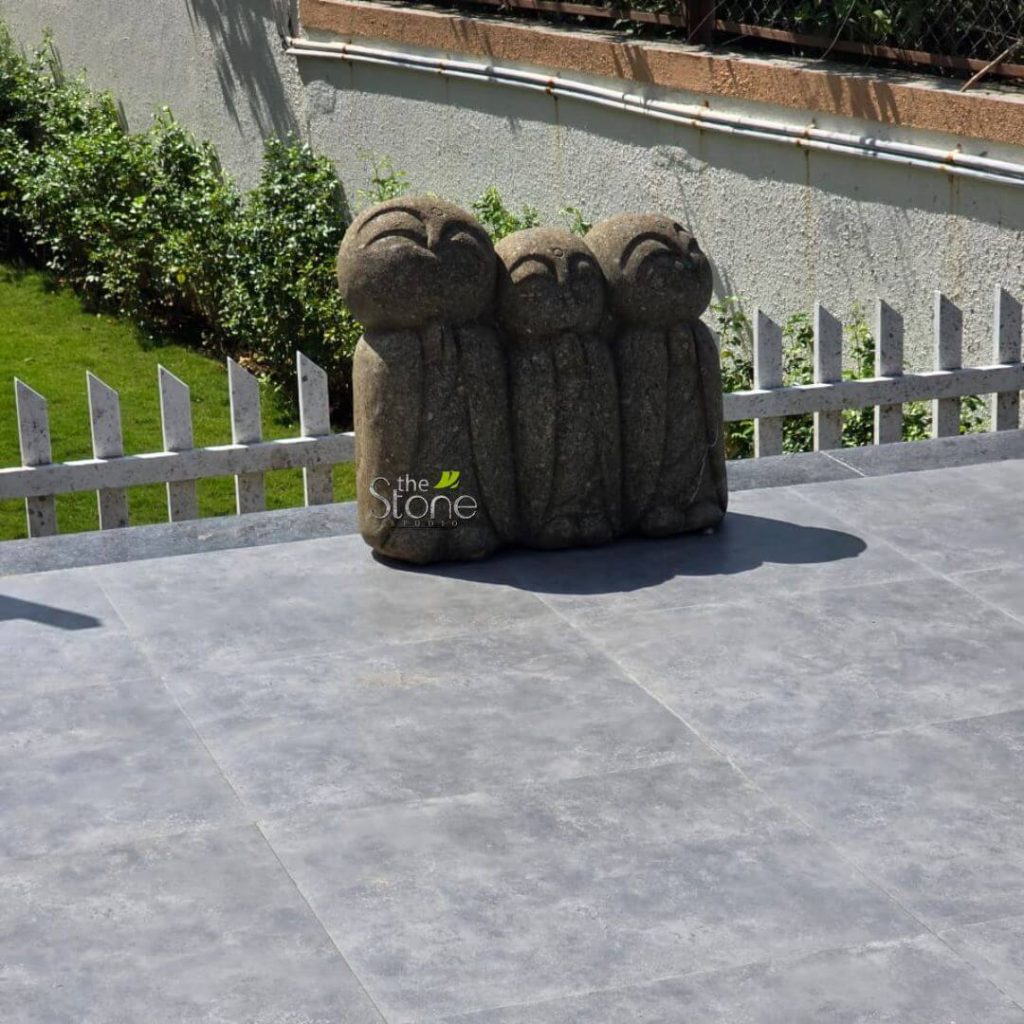
Jizo statues hold a profound significance in Japanese culture, regarded as some of the most spiritually meaningful figures. These serene statues are traditionally seen as protectors of children, travelers, and wandering souls, embodying qualities of compassion, nurturing, and quiet strength.
The significance of Jizo extends deeply into Japanese folklore and Buddhism, where he is recognized as a divine bodhisattva—a being dedicated to aiding others in their journey towards enlightenment. Many believe that Jizo guides lost souls who are navigating the afterlife, offering them comfort and warmth during transitional periods. His presence is particularly cherished for providing solace to grieving families who have lost children, as many Jizo statues are placed in memory of these little ones, serving as guardians in life and in the afterlife.

In Japanese gardens, Jizo statues are often thoughtfully positioned to evoke a sense of emotional refuge and tranquility. Their gentle, compassionate expressions foster a peaceful energy that encourages reflection and meditation. For many, visiting a Jizo statue can be a deeply personal experience, providing an opportunity to connect with the larger cycles of life, death, and rebirth, while feeling a profound sense of protection and comfort.
Best Placement
- Under trees or shaded corners
- Near meditation or seating areas
- Along pathways for symbolic protection
Care Tips
Keep the statue clean and avoid harsh chemicals. Surrounding it with natural elements like pebbles or plants enhances its presence.
3. Stone Water Bowls (Tsukubai): Purity and Reflection
Stone water bowls, commonly found in traditional tea gardens, hold deep symbolic meaning tied to themes of purification and humility. These bowls serve as a visual and functional representation of the cleansing ritual that participants undergo before entering a sacred space, such as a tea house. The act of using these bowls is not merely practical; it embodies a profound intention to foster mindfulness and clarity. As individuals approach the serene environment of the tea garden, the presence of water within the stone bowls acts as a gentle reminder of the importance of cleansing both the mind and body.
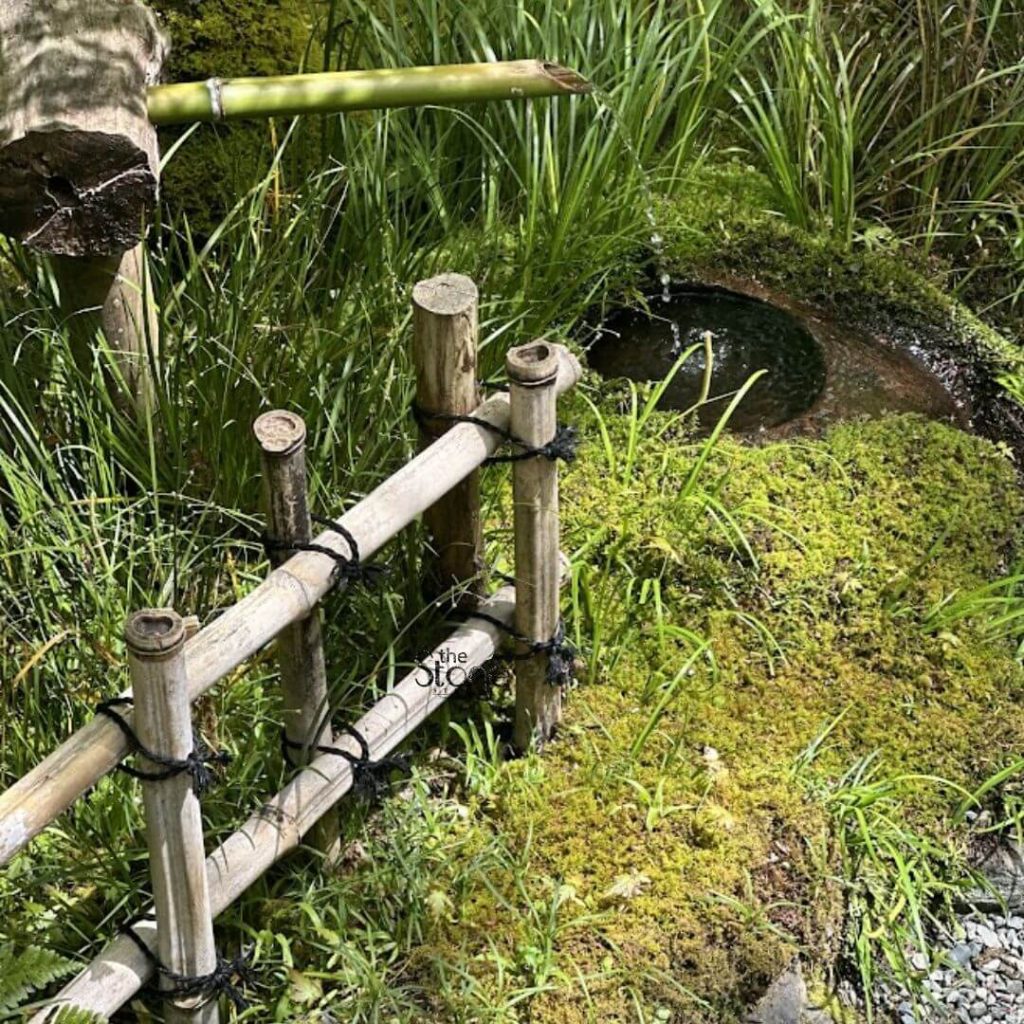
The soothing sound of water, along with its reflective surface, adds a calming sensory element to the atmosphere, creating a peaceful prelude to the meditative experience of tea preparation and consumption. Thus, stone water bowls are more than functional items; they are integral elements that nurture a spiritual journey and promote a sense of inner tranquility and respect for the space that follows.
Best Placement
- Near entrances or garden corners
- Paired with bamboo fountains or small water features
Care Tips
Keep the water clean and fresh. Regularly remove debris to maintain clarity and hygiene.
4. Fu Dogs (Komainu): Protectors of Space
Fu Dogs, also known as Komainu, are traditional guardian lion statues that are commonly found in pairs, typically positioned at the entrances of temples, homes, and important buildings. These majestic figures hold a deep cultural significance and embody the ideals of protection, strength, and vigilance.
Historically, Fu Dogs originated in Chinese culture and were later adopted into Japanese traditions. They are often depicted with intricate details, showcasing their fierce expressions and powerful postures. The male figure usually clutches a ball or globe beneath its paw, symbolizing authority and dominance, while the female holds a cub, representing nurturing and protection. These statues are believed to guard against negative energies and malevolent spirits, serving as a protective barrier for those who reside or enter the space they guard.
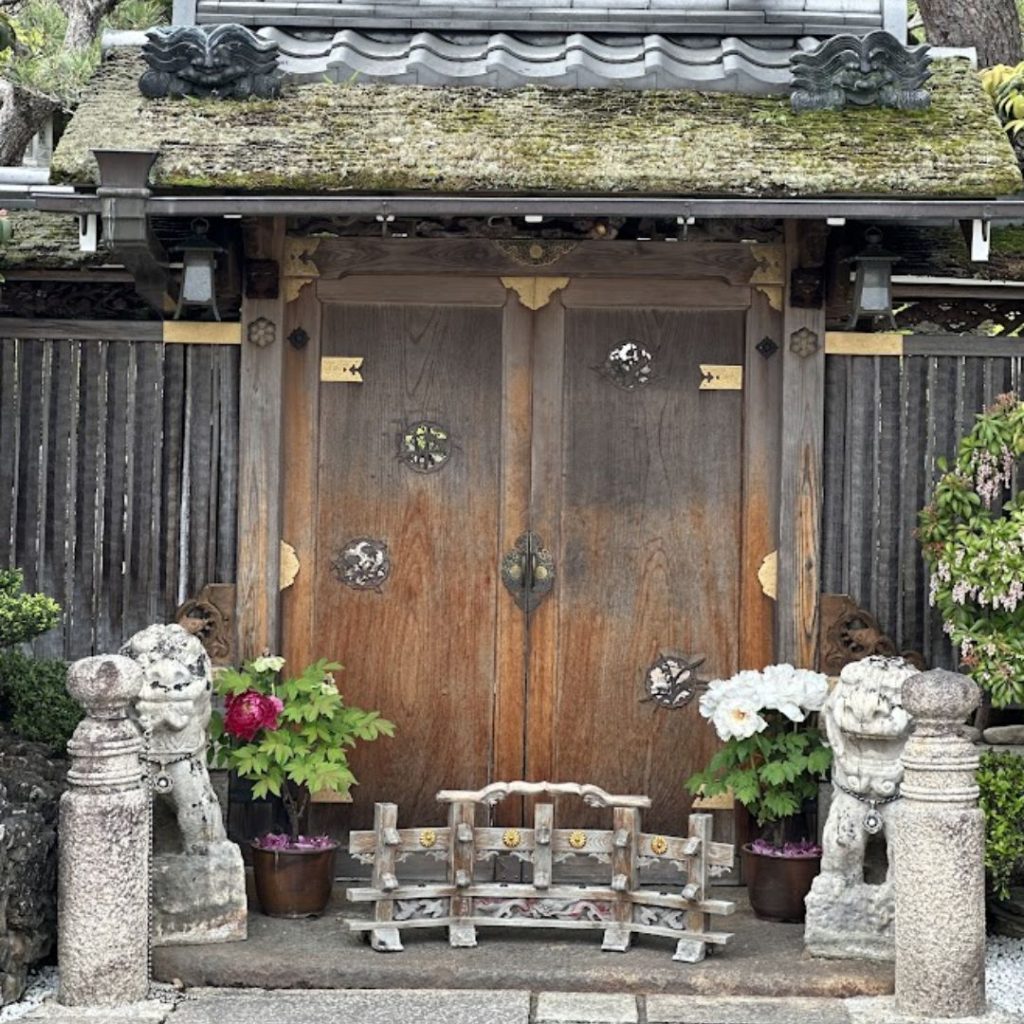
The presence of Fu Dogs is considered essential in Feng Shui practices, as they are thought to promote positive energy and create a safe environment. Their vigilant demeanor symbolizes a proactive stance against adversity, making them revered figures in various cultures throughout Asia.
Best Placement
- At entrances, gates, or doorways
- On either side of pathways or staircases
Care Tips
Ensure both statues remain aligned and stable. Clean periodically to preserve their details.
Head over to The Stone Studio to explore our stunning range of Buddha Sculptures and other Japanese Statues, expertly crafted to enhance the beauty of your home and garden!
www.thestonestudio.in
Download Our Free Brochure Here!
5. Zen Cat Statues (Maneki Neko Influence): Luck and Positivity
Zen-inspired cat statues, often drawing their influence from the well-known Maneki Neko, exude a unique blend of playful charm and profound symbolism. These delightful feline figures are not just decorative pieces; they embody a deeper cultural significance that resonates with many.
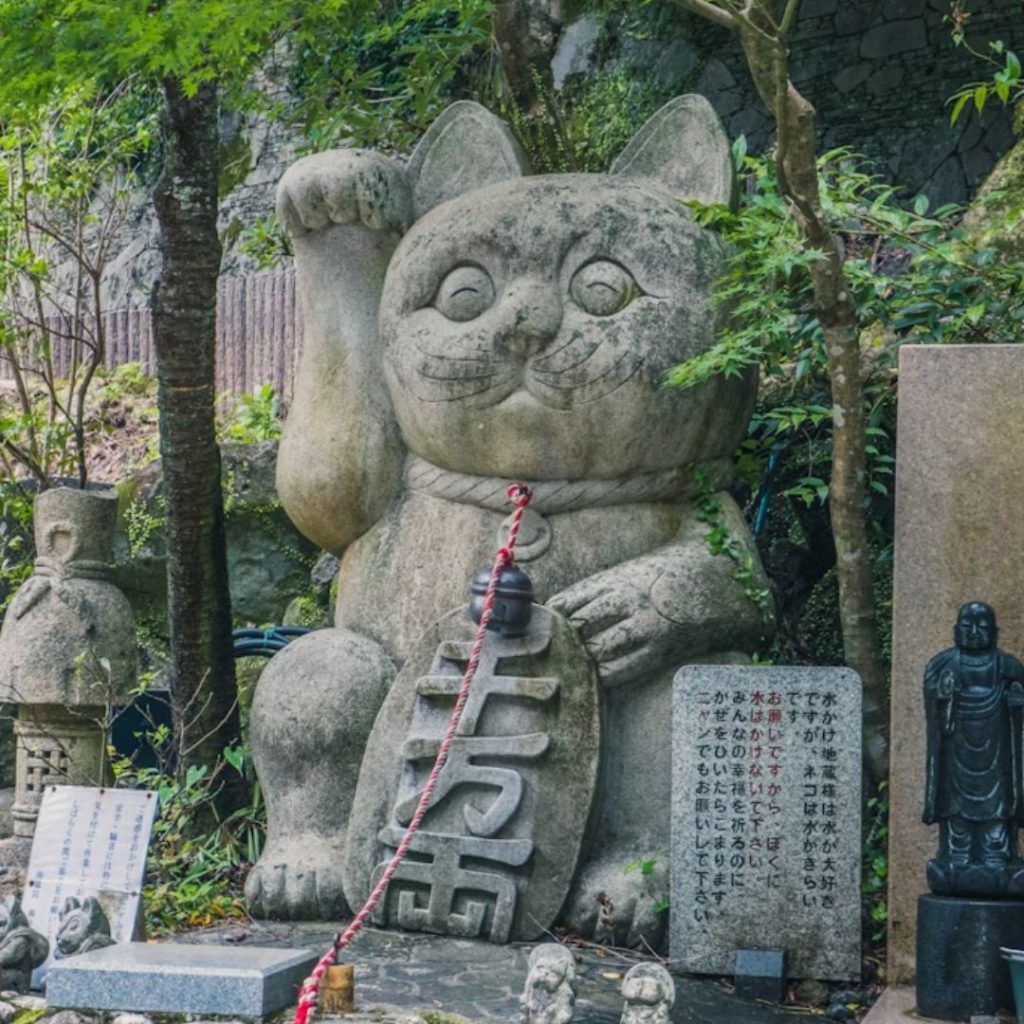
The Maneki Neko, or “beckoning cat,” is traditionally believed to bring good fortune, happiness, and prosperity to its owner. Adorned with vibrant colors and various designs, each cat statue carries its own distinct meaning, inviting positivity and a sense of welcome into homes and businesses alike.
These statues serve as a reminder of the importance of mindfulness and tranquility, often embodying the principles of Zen philosophy, which emphasizes harmony and balance. Whether placed on a shelf, near a doorway, or in a meditation space, Zen-inspired cat statues bring not just aesthetic appeal but also a meaningful energy that fosters a sense of joy and abundance in our lives.
Best Placement
- Near entrances
- On garden shelves or small platforms
- In balcony gardens for a cheerful touch
Care Tips
Keep them clean and well-positioned. Avoid placing them in cluttered areas to maintain their charm.
6. Rabbit Statues: Peace and Gentleness
In Japanese folklore, rabbits are imbued with rich symbolic meaning, particularly linked to the moon. This association is not merely casual; the rabbit is often depicted as a creature of the night, embodying tranquility and a gentle energy that resonates deeply within various cultural narratives.
The significance of rabbit statues in this context extends beyond their enchanting presence. They are often seen as symbols of peace and harmony, attributes that make them particularly beloved in serene settings.
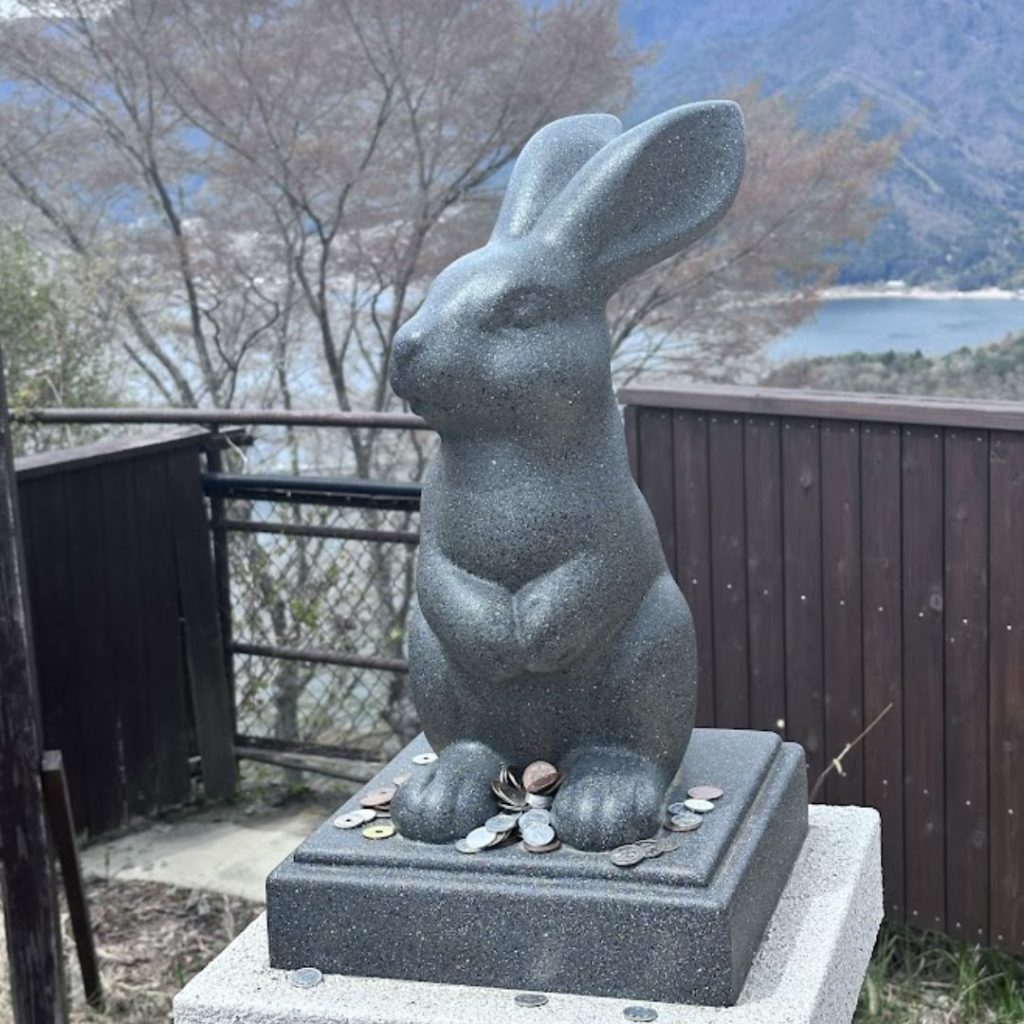
Additionally, rabbits are frequently connected to themes of fertility and abundance, representing the cyclical nature of life and renewal. This duality of being peaceful yet prolific makes them ideal for incorporation into tranquil spaces, where their calming energy can foster a sense of relaxation and balance.
Best Placement
- Among plants or near low greenery
- In quiet corners of the garden
Care Tips
Blend them naturally into the landscape. Keep surrounding plants trimmed for visibility.
7. Hotei Statues: Joy and Abundance
Hotei, commonly known as the Laughing Buddha, is a figure celebrated for embodying joy, contentment, and abundance. Often depicted with a round belly, a cheerful expression, and a sack filled with treasures, Hotei serves as a powerful symbol of happiness and prosperity in various cultures.

His significance extends beyond mere appearance; he represents a philosophy of carefree living and encourages individuals to embrace life with a sense of ease and lightheartedness.
Hotei reminds us to find joy in the simple pleasures of life and to cultivate a spirit of generosity and gratitude. His presence serves as a reminder to celebrate abundance, not just in material wealth but also in personal relationships and experiences, fostering a sense of inner peace and well-being.
Best Placement
- Near seating areas or lounge zones
- At entrances to welcome positive energy
Care Tips
Regular cleaning and occasional polishing (for certain finishes) help maintain their appearance.
8. Buddha Statues: Serenity and Enlightenment
Buddha statues hold a prominent place in many Zen-inspired gardens, serving as a focal point that draws visitors into a state of contemplation and tranquility. The significance of these statues goes beyond mere decoration; they embody essential principles such as peace, mindfulness, and spiritual awakening.
Each statue is often positioned in a way that encourages a sense of harmony with the surrounding nature, inviting individuals to reflect and connect with their inner selves.
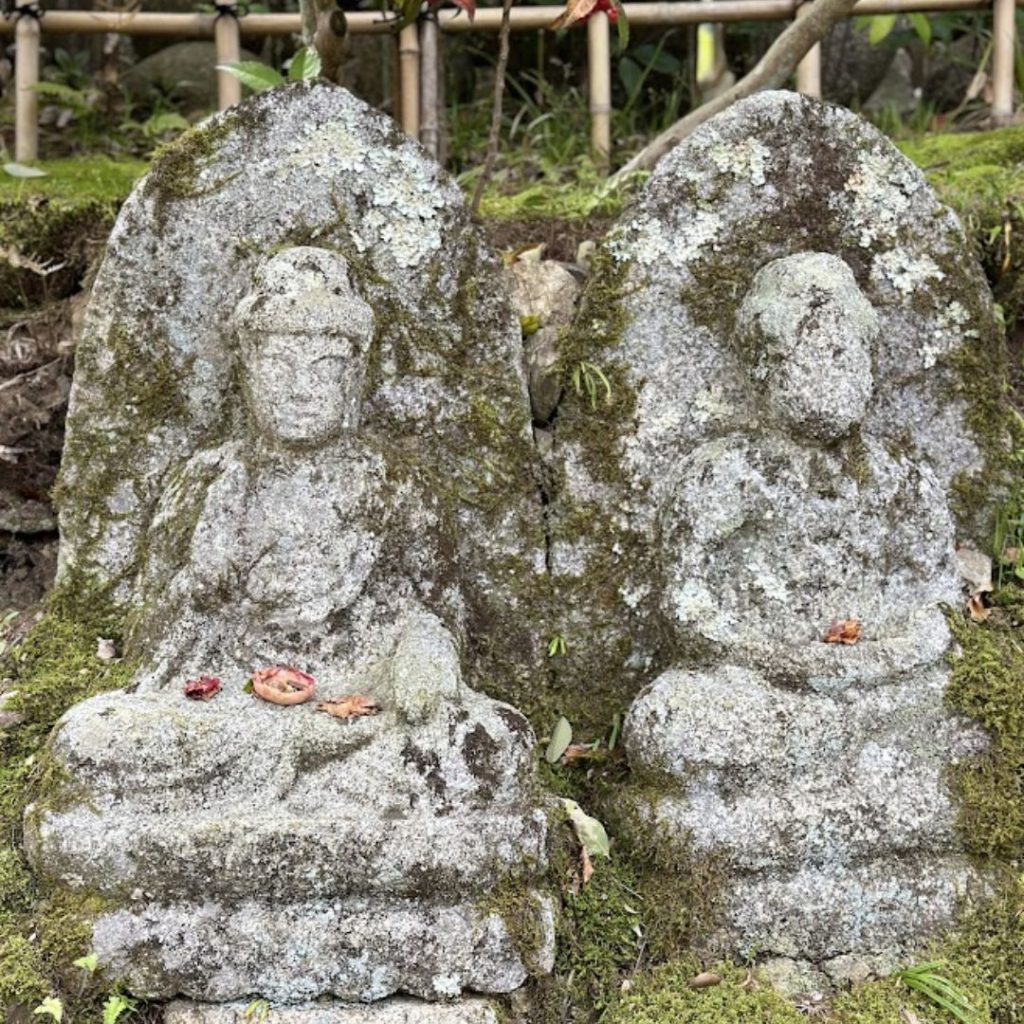
The serene expression and posture of the Buddha symbolize a journey towards enlightenment, reminding us to cultivate awareness and presence in our daily lives. In this way, the presence of Buddha statues in Zen gardens not only enhances the aesthetic beauty of the space but also reinforces its role as a sanctuary for meditation and personal growth.
Best Placement
- As a focal point in meditation areas
- Near water features
- In quiet, uncluttered corners
Care Tips
Keep the area around the statue clean and calm. Avoid placing Buddha statues directly on the ground.
9. Monk Statues: Discipline and Simplicity
Monk statues serve as powerful symbols of the disciplined and uncomplicated lives led by spiritual seekers throughout history. These intricately crafted figures often depict monks in serene postures, suggesting a deep sense of meditation and spiritual focus. Their humble appearance, often marked by simple robes and minimal adornment, reflects a commitment to a lifestyle that values inner peace over material possessions.
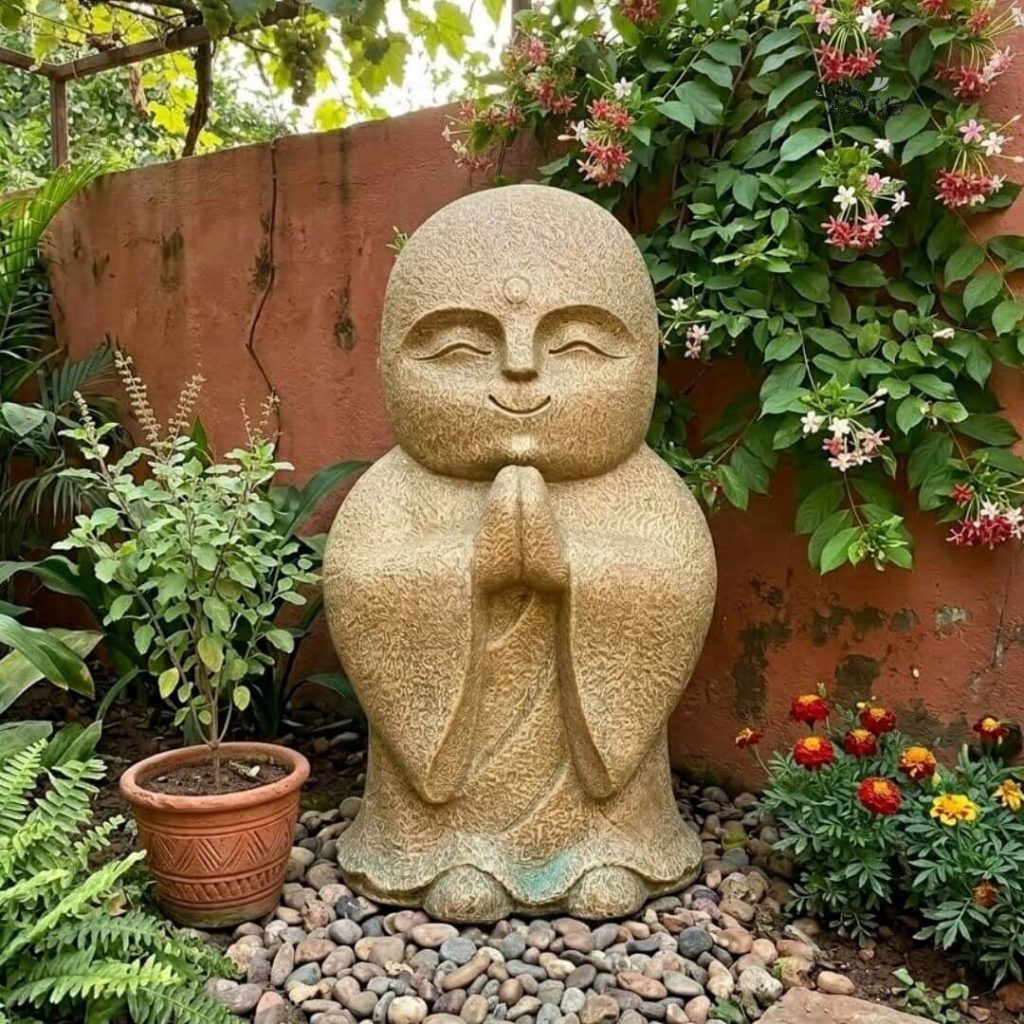
The significance of these monk statues extends beyond their physical form; they embody profound ideals such as focus, humility, and inner strength. Each figure encourages onlookers to embrace a mindful lifestyle, serving as a reminder of the importance of self-discipline and the pursuit of spiritual enlightenment.
The presence of monk statues in various spaces can inspire individuals to cultivate a deeper understanding of themselves and their place in the world, promoting a life rooted in contemplation, compassion, and balance.
Best Placement
- Along pathways
- Near meditation or yoga areas
- In minimalist garden setups
Care Tips
Minimal care is required—just ensure they remain clean and well-positioned.
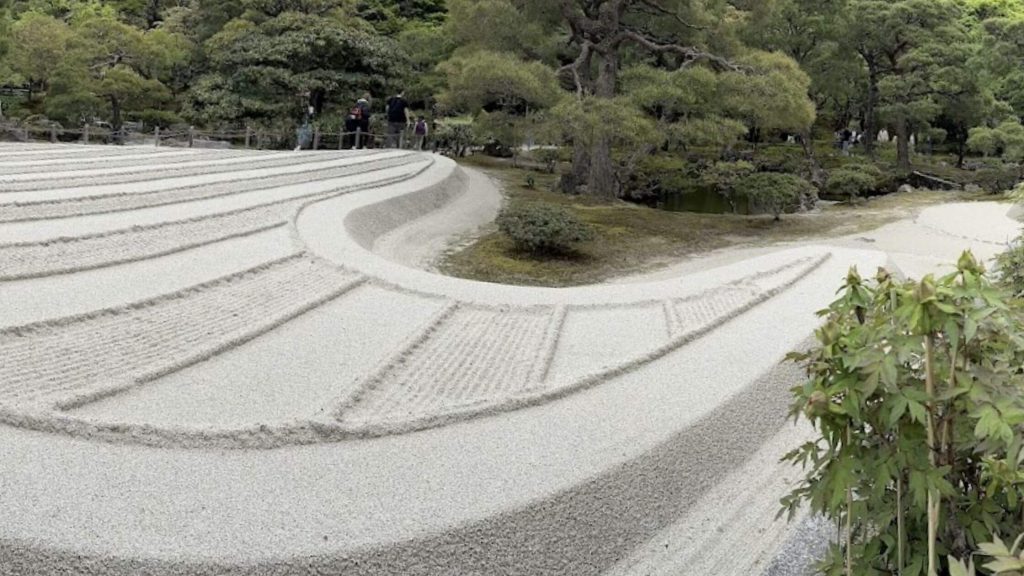
Designing a Balanced Japanese Garden Space
A beautifully designed Japanese garden is all about creating a sense of balance and harmony rather than filling it with too many items. You can achieve a lovely garden by using just a few important elements, like a stone lantern, a Buddha statue, and a water bowl. These pieces can work together to create a peaceful and inviting atmosphere.

It’s important not to crowd the garden. Each item, like the statues, should have enough space around it so it stands out and feels special. Natural features such as gravel, moss, and water should enhance the overall look of the garden, rather than take away from it. This way, everything can come together in a serene way that feels just right.
FAQs
1. What are Japanese garden statues?
Japanese garden statues are decorative and spiritual sculptures traditionally used in Japanese landscape design. They include stone lanterns, Jizo monk figures, Foo dogs, pagodas, Buddha statues, and deer sculptures — each carrying deep symbolic meaning and contributing to the overall harmony and Zen aesthetic of the garden.
2. What is the significance of statues in a Japanese garden?
In Japanese garden design, statues are never purely decorative. Each figure carries a specific spiritual or symbolic purpose — a Jizo monk protects travellers and children, a stone lantern guides the path with light and mindfulness, and a Buddha invites meditation and inner peace. Together they create a landscape that speaks to both the eye and the spirit.
3. What types of statues are most common in Japanese gardens?
The most commonly used Japanese garden statues include stone lanterns (tōrō), Jizo monk figures, Buddha statues in various mudras, Foo dog pairs, pagoda towers, deer sculptures, and koi or frog figures placed near water features.
4. Should Japanese garden statues face a specific direction?
Yes, direction matters. Buddha statues are ideally placed facing east or northeast. Stone lanterns should face the primary garden path. Foo dog pairs are traditionally placed at entrances — the male on the right and the female on the left when viewed from inside looking out.
5. Can Japanese garden statues be placed indoors?
Absolutely. Smaller Jizo monk figures, miniature stone lanterns, and tabletop Buddha statues work beautifully indoors — in meditation corners, living rooms, entrance halls, and study spaces. The key is to give the statue a clean, elevated, and uncluttered space to occupy.
6. How do I clean and maintain a Japanese garden statue?
For natural stone statues, a gentle rinse with water and a soft brush is sufficient for routine cleaning. Avoid harsh chemical cleaners as they can damage the stone surface. For fibre statues, a simple wipe with a damp cloth is all that is needed. Neither type requires sealing or special treatment for standard outdoor conditions.
7. How do I choose the right Japanese garden statue for my space?
Begin with the size of your garden and the mood you want to create. Small gardens benefit from a single focal statue — a Jizo monk or compact stone lantern — while larger landscapes can accommodate a Buddha on a plinth, a pagoda tower, or a Foo dog pair at the entrance. Always consider the statue’s symbolic meaning alongside its visual impact.
8. Can I customise a Japanese garden statue?
Yes. At The Stone Studio, every Japanese garden statue can be customised in size, material, and finish to match your exact space and aesthetic vision. Whether you want a 6-foot granite Jizo monk for a resort garden or a tabletop stone lantern for an apartment balcony, our artisans will craft it to your specifications.
Create Your Own Zen Sanctuary
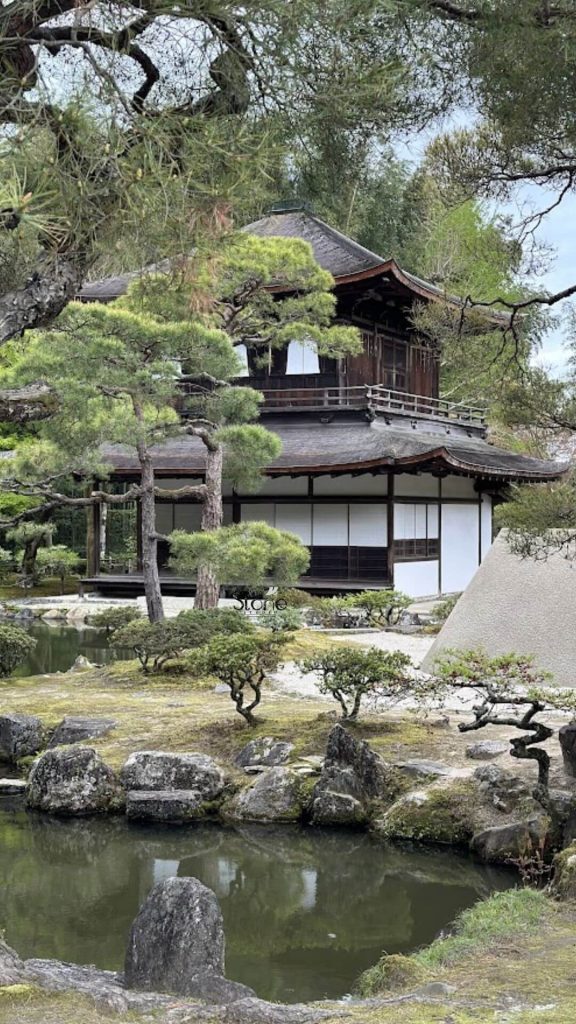
Japanese garden statues are more than just pretty decorations; they represent peace, protection, and a way to live mindfully.
Whether it’s a stone lantern guiding your path, the loving figure of Jizo, or the calm presence of Buddha, each statue brings a special meaning to your space.
At The Stone Studio, we focus on creating beautiful, handcrafted stone sculptures inspired by Japanese Zen gardens. Our custom-made statues are designed to fit perfectly into your garden, terrace, or courtyard, adding both beauty and a peaceful energy.
If you want to transform your outdoor area into a calm, beautiful, and uplifting environment, consider The Stone Studio—where each statue is made with care and purpose.
Explore The Stone Studio’s unique collections to get customized Japanese statues or your personal Altars & Home Entrances!